 Vastu16
Kids' bedroom Vastu: room, bed and study corner
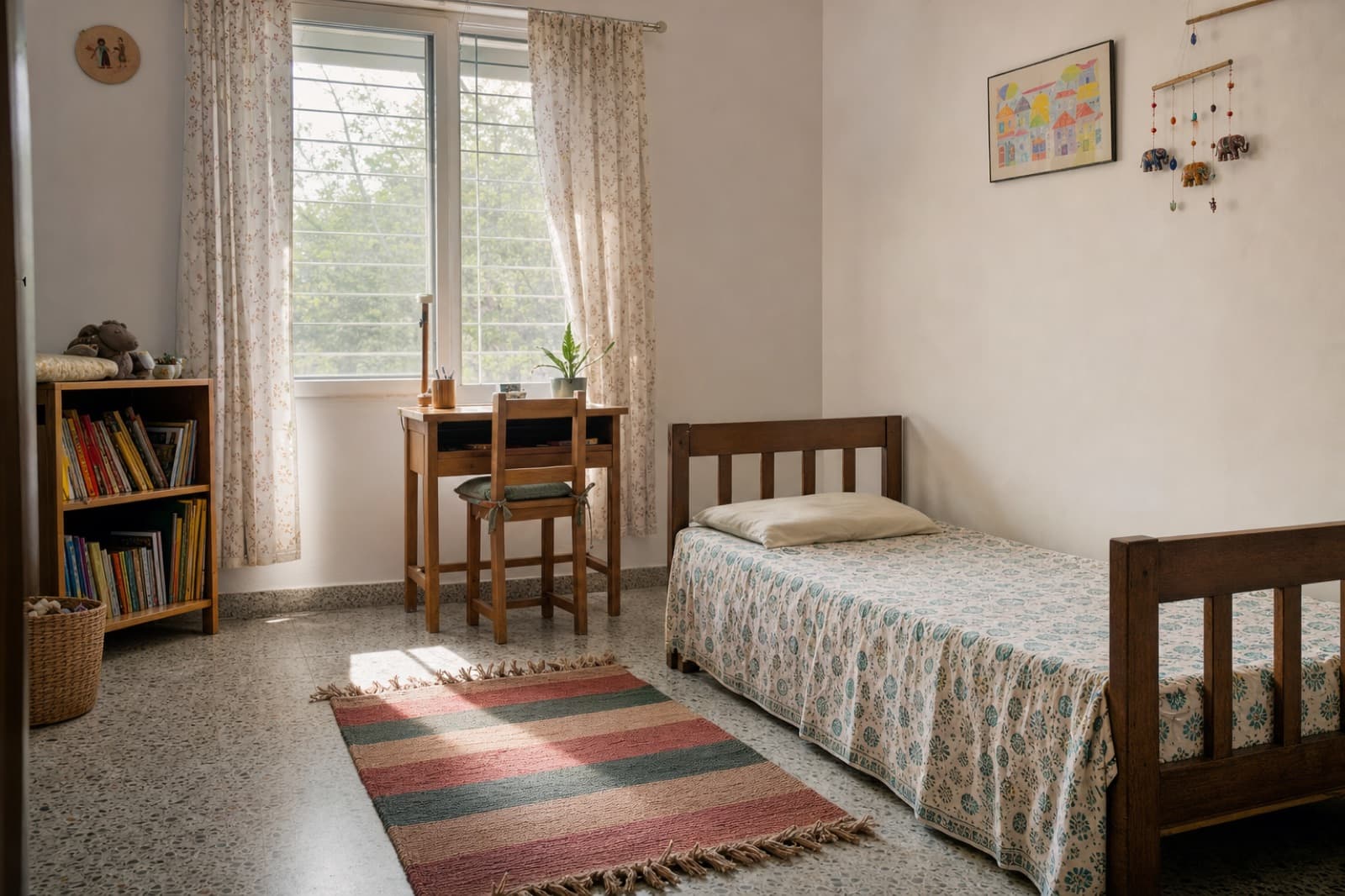
West, north-west and east are the bedroom zones both schools read as good for a child's room, with the south-west kept for the parents. After the room, set the bed with the head to the east or south, then the desk facing east or north. Daylight and anchored furniture come before any of it.
Next: your whole home. Rules are general. Your plan is specific. Upload it and see where each room of your home falls under both schools.
Stand in the middle of your home. Which way is your bedroom? Tap its zone on the wheel.
Good Neutral Avoid North is up. Zones are measured from the centre of the home.
The short answer
Kids bedroom Vastu is mostly a room-assignment job, and it works best before anyone moves in. Vastu16's rule table reads a children's or guest bedroom with its ordinary bedroom rules, and the master bedroom with stricter ones [1].
The simple order: give the master bedroom the south-west if you can, then give the children a room in the west, north-west or east, where both schools read a bedroom as good [1]. The 8-direction school also rates the south as good. The 16-zone school marks three narrow zones, ESE, SSW and WNW, as ones to avoid for any bedroom at severity 2 of 5 [1].
Inside the room, the bed's head goes to the east or south, and the study desk faces east or north [1]. Which zones suit every bedroom in general is on our bedroom direction page; this post is about the children's room.
Kids' bedroom zones under both schools
Here is how each school reads an ordinary bedroom, by the side of the home it sits on [1].
| Area of the home | 8-direction school | 16-zone school |
|---|---|---|
| West | Good | WSW and W good; WNW avoid, 2 of 5 |
| North-west | Good | NW and NNW good; WNW avoid, 2 of 5 |
| East | Good | E good; ENE neutral; ESE avoid, 2 of 5 |
| South | Good | S good; SSE neutral; SSW avoid, 2 of 5 |
| North | Neutral | NNW good; N and NNE neutral |
| North-east | Neutral | NNE, NE and ENE neutral |
| South-east | Neutral | ESE avoid, 2 of 5; SE and SSE neutral |
| South-west | Neutral | WSW good; SSW avoid, 2 of 5; SW neutral |
The north-east is worth a note. Both schools mark a master bedroom there as one to avoid, but an ordinary bedroom reads neutral [1]. A paint maker's chart even calls the north-east a good spot for children's rooms [2]. So a north-east room is a fair choice for a child, even though it is a poor one for the parents.
Room assignment in a 3 BHK
In a 3 BHK flat, you have three bedrooms and usually two or three people to place. List the rooms by zone, then assign.
| Step | Who | Look for |
|---|---|---|
| 1 | Parents | South-west, south or west room: good for a master bedroom in both schools [1] |
| 2 | First child | West, north-west or east room [1] |
| 3 | Second child or study | The remaining room; if it is in the north-east, it reads neutral for a child; for a study, the 8-direction school rates it good and the 16-zone school rates its NE zone good [1] |
| 4 | Guest | Any room left; the same bedroom rules apply [1] |
If two rooms tie, choose on daylight, noise and the size each child needs. A teenager who studies late may value the room furthest from the living room over the better zone.
Bed position and head direction
Vastu16's guidance rates the head to the south and to the east as good, and notes the east is often advised for students and children [1]. The west is neutral. The north is the one direction almost every source advises against [1]. How to work out which way a bed points is explained in how to choose the bed direction, and the sleeping direction checker checks it for you.
For a child, the practical checks sit beside the tradition:
- Not under a window. A headboard under a window sits in the draught and the street light.
- Not under a beam. Vastu16's guidance advises against a bed directly under a beam [1].
- Clear underneath. The bedroom remedies ask for no stored clutter under the bed [1].
- Bunk beds. Put them against a solid wall, not a window wall.
The study corner
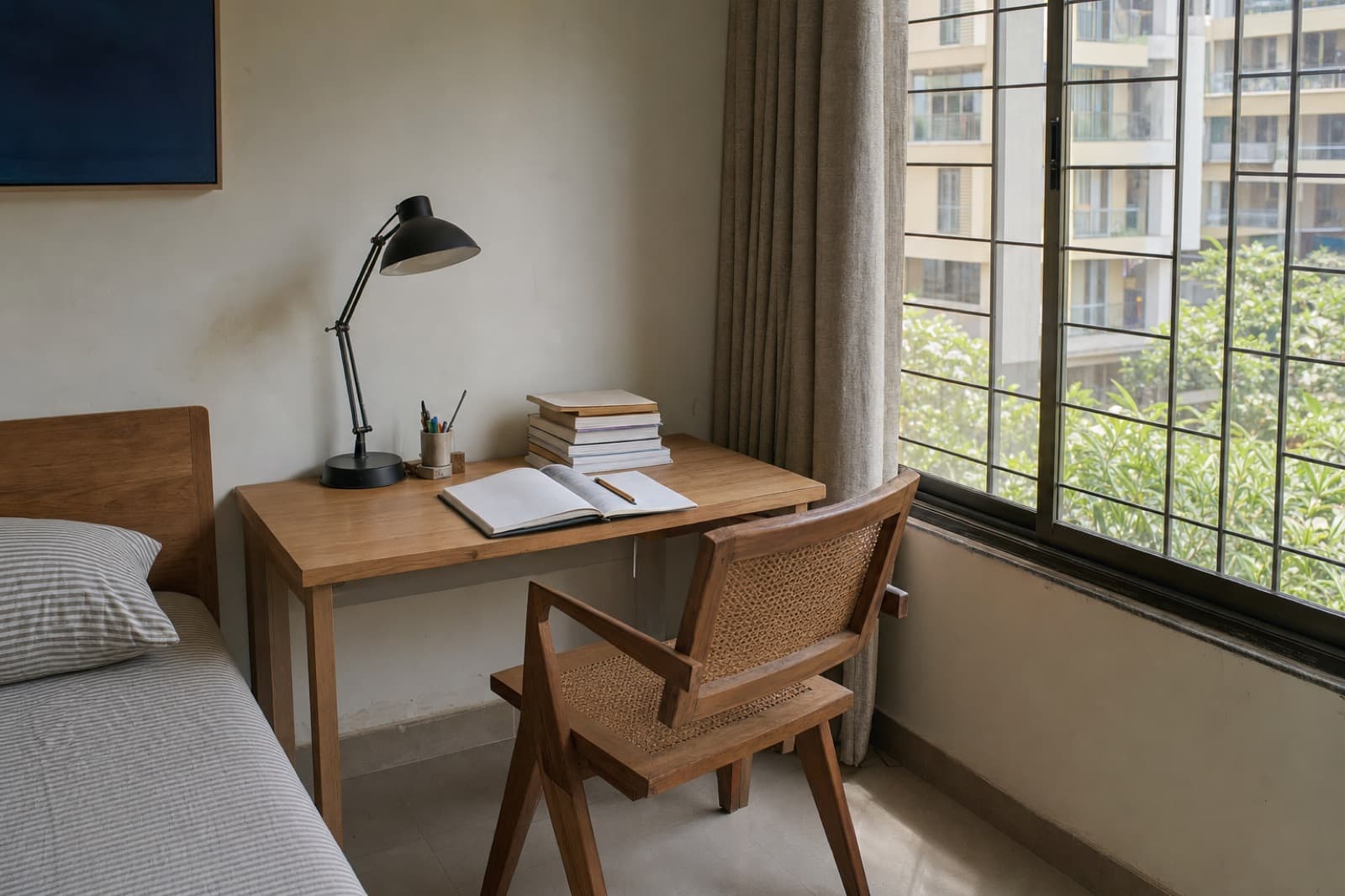
Most children study in their own room. The study rules in Vastu16's table say to sit facing east or north and keep the desk and the wall in front of it clear [1]. Put the desk on the east or north side of the room, with the window to one side.
Light from the side opposite the writing hand keeps the page free of shadow. The full desk setup, including screen height and lamp position, is in our post on study table direction.
If the bedroom itself sits in a study zone, such as the east or west in both schools, the room does double duty well [1].
Light, safety and storage
Light. The National Building Code 2016 asks for openable windows of at least one-eighth of the floor area in composite and temperate climates, one-sixth in warm-humid climates and one-tenth in hot-dry ones [3]. The Eco-Niwas Samhita gives the same shares as percentages [4]. A child's room that fails this on the plan will feel dark and stuffy whatever its zone.
Safety. Anchor tall wardrobes, bookcases and the TV unit to the wall. The US Consumer Product Safety Commission advises anchoring furniture such as bookcases and dressers, and storing heavier items on lower shelves so children are not tempted to climb [5].
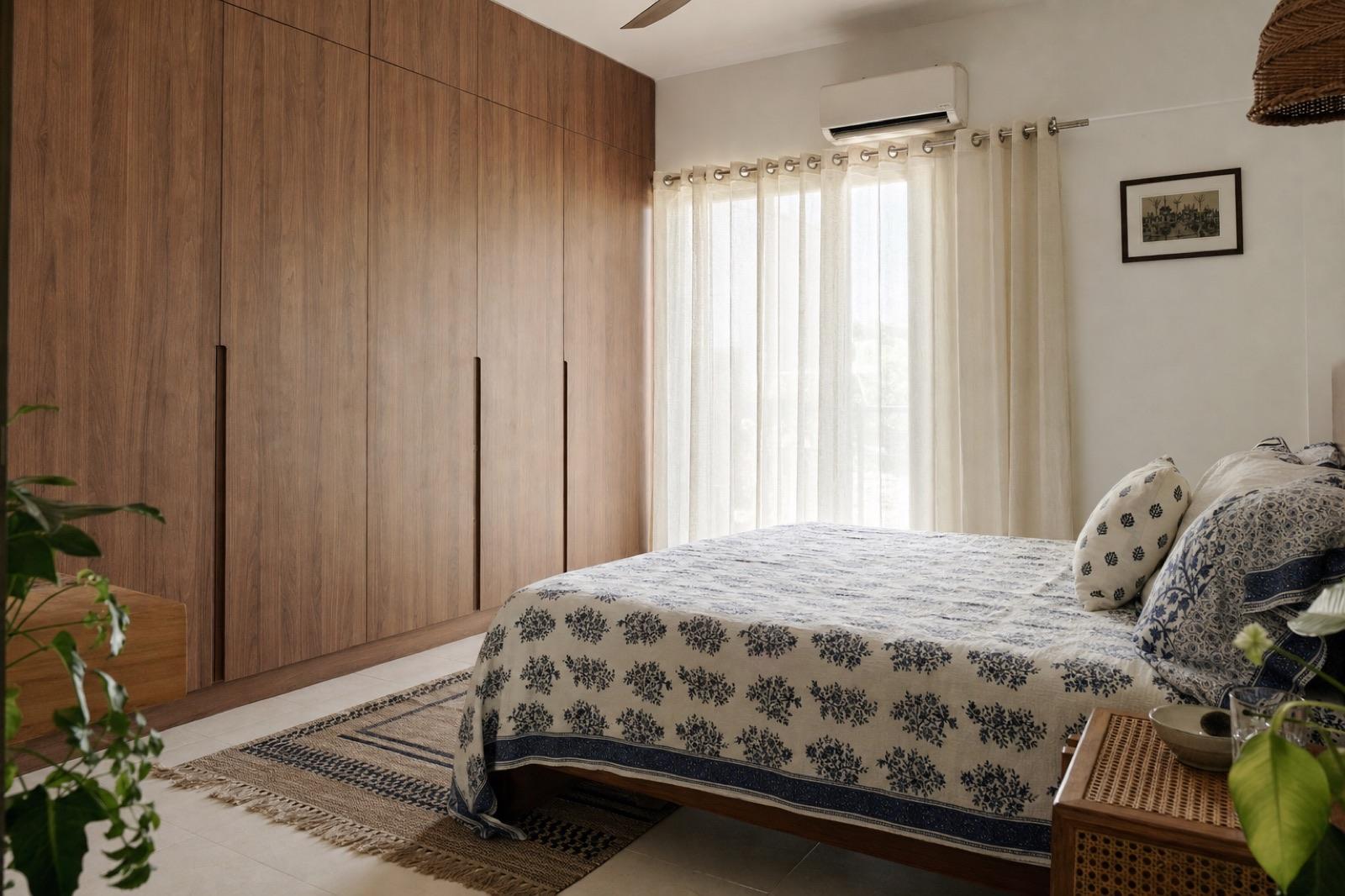
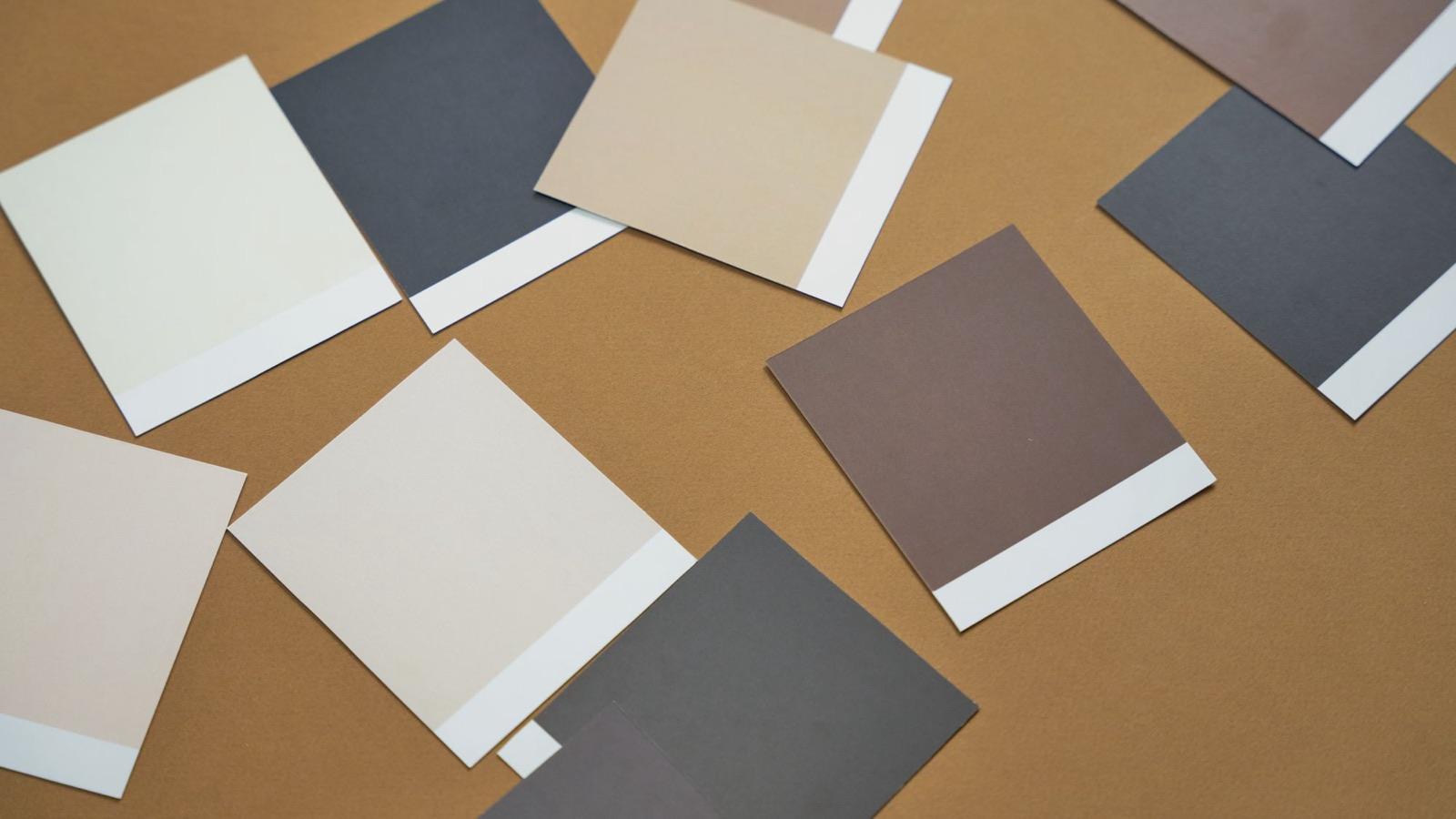
Storage. Heavy storage goes on the south or west wall in the guidance [1]. Our post on wardrobe placement in the bedroom covers the wall and the mirror question. For wall colour, the paint maker's chart suggests yellow, blue or green for children's rooms [2]; see Vastu colours by direction.
Checklist
Room assignment steps
- List every bedroom by zone, measured from the home's centre.
- Parents first: south-west where possible, else south or west [1].
- Children next: west, north-west or east [1].
- Bed: head to the east or south; not under a beam or window [1].
- Desk: facing east or north, window to the side [1].
- Anchor tall furniture before the child moves in [5].
- Check windows meet the code share for your climate [3].
What is tradition and what is fact
Tradition
- Bedroom zones for children and the master bedroom: Vastu16's rule table, under the 16-zone and traditional 8-direction schools [1].
- Head to the east or south; east often advised for students and children: Vastu16's guidance [1].
- North-east as a good spot for children's rooms; yellow, blue or green walls: a paint maker's chart [2].
Physical fact
Where Vastu16 fits
Upload your plan to check your floor plan under both schools: the result lists each bedroom's zone and reading, so you can assign rooms before moving day. The report adds bed and furniture guidance. It does not see your windows, beams or furniture.
Questions people ask
Which direction is best for a kids' bedroom?
West, north-west or east are the safest picks, because both schools in Vastu16's rule table read a bedroom there as good. The 8-direction school also rates the south as good. In the 16-zone school, avoid the narrow ESE, SSW and WNW zones, which it rates 2 of 5, a low severity. Keep the south-west for the master bedroom.
Which way should a child sleep as per Vastu?
Head to the east or south. Vastu16's guidance rates both as good and notes the east is often advised for students and children. The west is neutral. The north is the one head direction almost every source advises against. Bed direction is guidance in the report, not part of the score.
Can children sleep in the master bedroom zone?
Yes. Both schools rate the south-west as good for a master bedroom, and neither marks an ordinary bedroom there as one to avoid; it reads neutral. Keeping that room for the parents is the traditional order. If the children's room in the south-west suits your family better, the check will not mark it down.
Related posts
Study table direction as per Vastu, for kids and adults
Which way to face at a study table as per Vastu, where the desk goes in a bedroom, and the light and posture checks that matter as much.
Wardrobe Vastu in the bedroom: wall, side and mirror
Which bedroom wall the wardrobe goes on as per common Vastu guidance, heavy furniture in the south-west, and mirrored doors facing the bed.
Vastu colours by direction: a wall colour chart
Wall colours commonly suggested for each direction in Vastu, where the colour-direction pairs come from, and how to use them in a real home.
Sources
- Vastu16 methodology and rule table (internal)
- Asian Paints, "Vastu Colour for Home: Best Colours to Bring Positive Energy"
- NBC 2016, Volume 1, Part 3 Development Control Rules and General Building Requirements
- Eco-Niwas Samhita (ENS) 2024, Energy Conservation and Sustainable Building Code (residential)
- US CPSC, "CPSC Anchor It! Campaign Marks 10 Years: Fewer Furniture Tip-Overs Lead to Safer American Households" (news release, 29 July 2025)