 Vastu16
Vastu changes in an under-construction flat: what's allowed
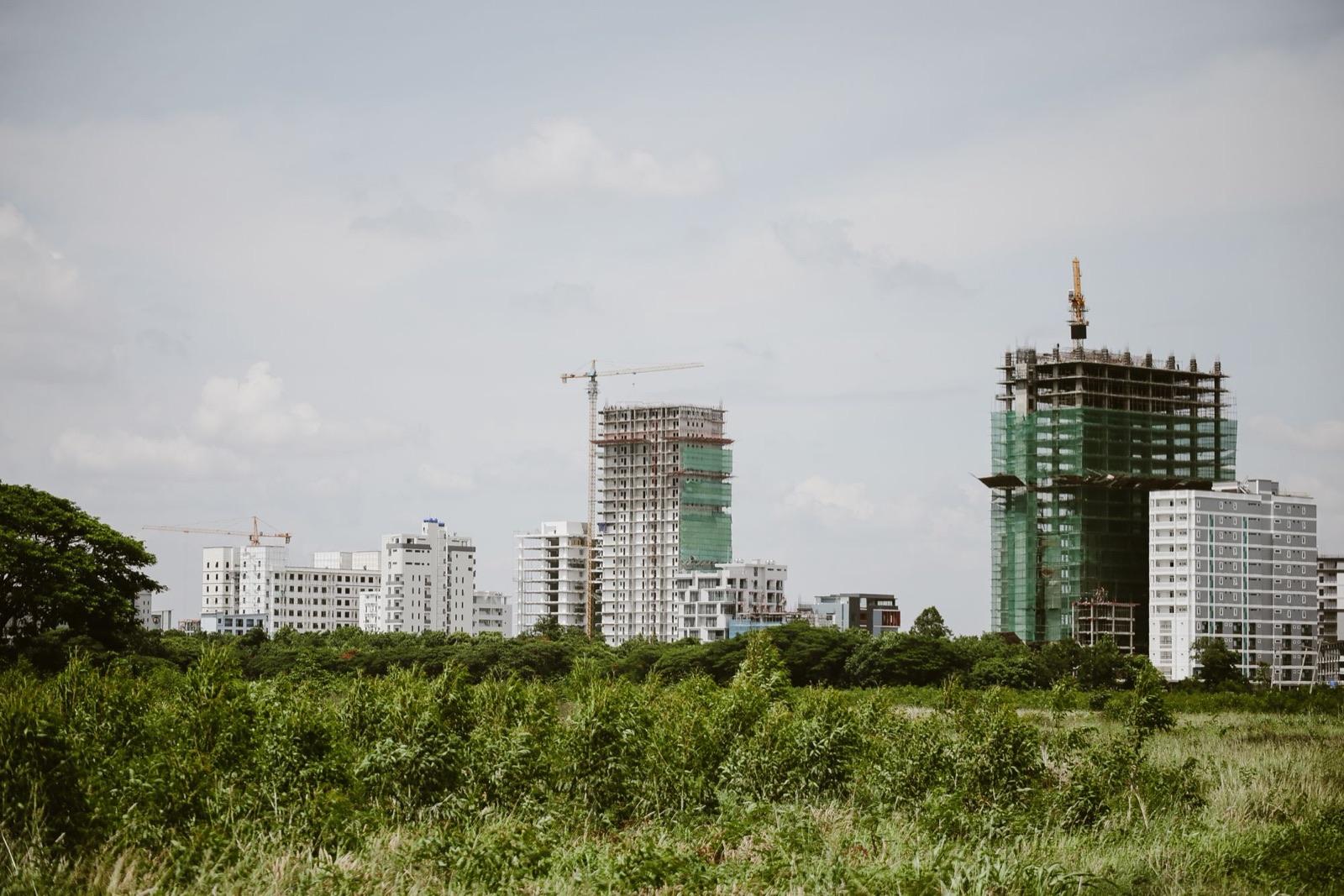
3 kinds of change are possible before possession, and only the easiest is yours to make. You can change how you use a room. You can ask the builder for small fit-out changes. Bigger Vastu changes in an under-construction flat, such as moving a WC or a door, depend on the builder and on the approved plans.
At Vastu16 we read each room's zone under two schools, the 16-zone school and the traditional 8-direction school. What each reading means is covered on our Vastu defects page. This post covers the window before possession: what the law allows, what to ask for and in what order.
Next: your whole home. Rules are general. Your plan is specific. Upload it and see where each room of your home falls under both schools.
Vastu changes in an under-construction flat: the short answer
Find out what your reading is before you ask for anything. Then rank the possible changes by how much they move the reading and how hard they are to get.
| Change | Moves the reading? | Who decides |
|---|---|---|
| Use a room differently (bedroom as study) | Yes, for that room | You |
| Move the hob along the counter | No, it is a remedy, not a re-zoning | You and the builder |
| Shift the main door along the same wall | Often, under the 16-zone school | Builder, plans, approvals |
| Move a WC or swap the kitchen with a room | Yes, the most | Builder, plans, approvals |
Our check reads the kitchen as a room, so moving the hob does not change the score. It stays in our remedy list because it is the cheapest step [4].
What RERA says about changing the sanctioned plan
The RERA Act 2016 ties the project to the plans approved by the competent authorities (s. 14(1)) [1]. Once the sanctioned plans of your apartment have been disclosed to you, the promoter cannot make additions or alterations to them without your previous consent (s. 14(2)(i)).
A proviso lets the promoter make "minor additions or alterations" that you ask for. The Explanation narrows that sharply: minor excludes any structural change, including cutting into any wall, part of a wall or partition, and any change to the fixtures or equipment [1]. A WC move changes fixtures, and a door shift cuts into a wall. Neither fits the easy route.
Any other change to the building's sanctioned plans or common areas needs the written consent of at least two-thirds of allottees (s. 14(2)(ii)) [1]. So a change is at the builder's discretion and subject to the approved plans. It is not a buyer's right.
This is general information, not legal advice. Check your state's RERA rules or ask a lawyer.
Changes a builder may agree to inside a unit
We have no survey of what builders accept, and practice varies by project and stage. What follows is the order in which requests get harder.
Before the internal walls go up. Partition positions inside your unit, the side of a wall a door sits on and the kitchen platform layout are still drawings. This is the stage to ask.
After blockwork, before finishing. Moving a door means cutting a wall again. Fixtures can sometimes still be changed if the plumbing has not been fixed in place.
After plumbing and finishing. WC positions follow the drain lines and shafts. A move now means breaking finished work.
Any change must still meet the building code. The National Building Code 2016 requires every bathroom or WC to have at least one wall open to external air and a window or ventilator of at least 0.3 sq m opening to a shaft or open space, and says a WC must not open directly into a kitchen (Part 3, cl. 12.4) [2]. A kitchen needs a window too (cl. 12.3 and 20.1.2) [2].
Which changes move a reading most
Priority list, ranked by effect on the reading:
- A WC in the north-east or at the centre. Both schools rate either 5 of 5 [4]. Moving it to a disposal zone is the single biggest change. Our page on the toilet in the north-east shows the reading in each zone.
- A WC in the south-west. 4 of 5 in both schools; the 16-zone school also rates a south-east WC 4 of 5 [4]. The texts do not all agree: the Mayamata (ch. 26) puts the latrines on the Nirrti square, which is the south-west [5]. Weigh this one as the two schools' reading, not a rule every text shares. Where a toilet reads well is on our toilet direction page.
- A main door in the south-west or south-south-west. 4 of 5 under the 16-zone school, and 4 of 5 for south-west under the 8-direction school [4]. Each 16-zone zone is 22.5 degrees wide, so a short shift along the same wall can reach a neutral or good zone. Our remedy library lists this as the plan-stage step for an entrance [4].
- A kitchen in the north-east or at the centre. 4 of 5 in both schools [4]. A swap with another room is the plan-stage remedy. Our kitchen direction page lists the zones each school prefers.
- The hob position. It does not change the score, but our library suggests moving the hob towards the south-east corner of the kitchen [4].
How to ask in writing
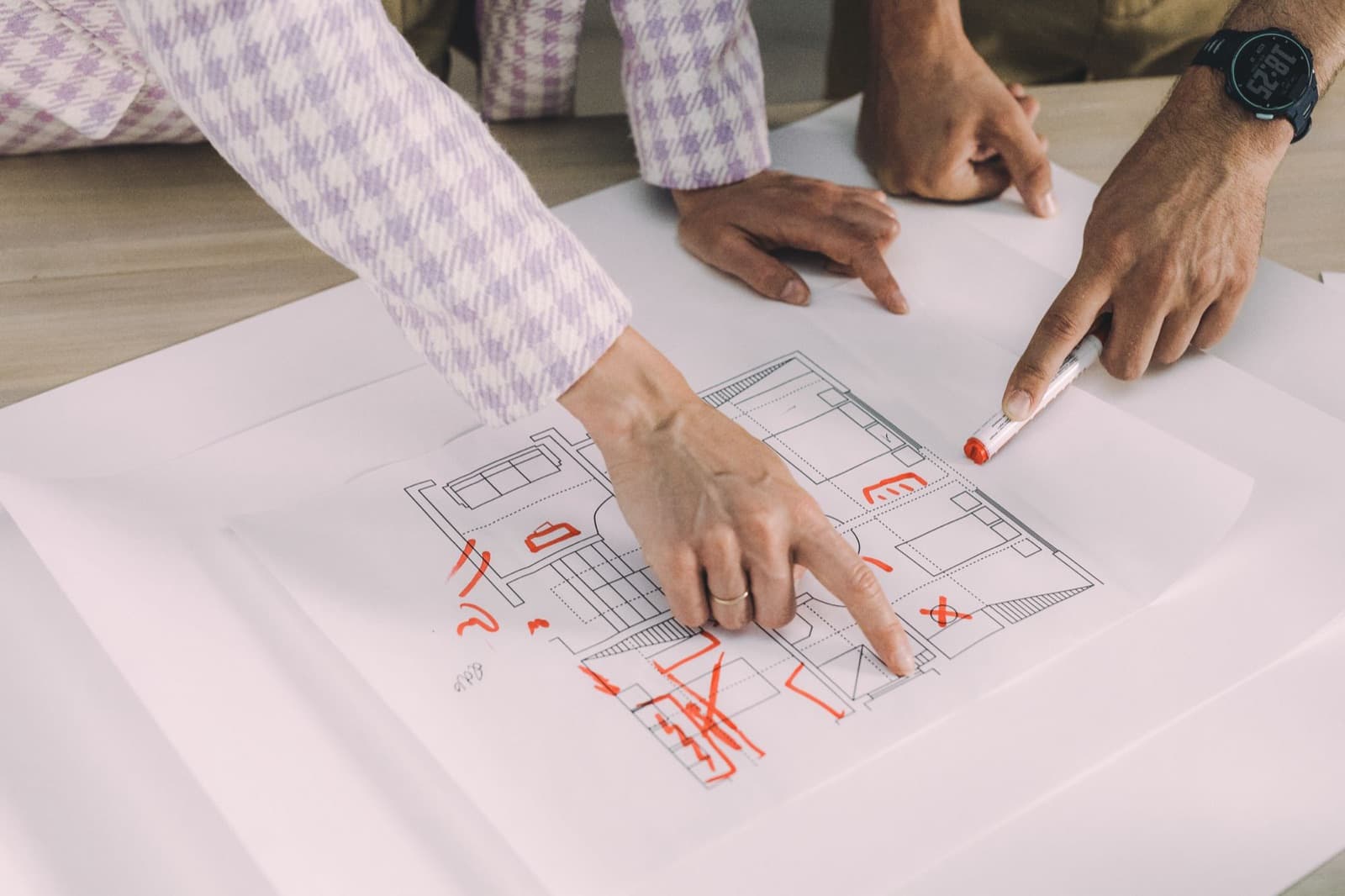
Ask once, in writing, with the drawing attached. A template you can adapt:
To: [Builder name], [Project name], RERA registration [number] Unit: [Tower and unit number]
I request the following change to my unit before construction of [partitions / plumbing] begins: [describe the change, for example "move the WC from the north-east corner to the west wall, as marked on the attached plan"].
Please confirm in writing: whether you can make this change; whether it needs a revised approval; the cost, if any; and the date by which you need my final decision. If agreed, please record it in my agreement for sale.
[Name, date, phone]
Keep a copy, and ask for a reply by a date. Our list of questions to ask the builder before booking covers what to ask before you sign at all. You can look up the project's registration on your state portal, for example MahaRERA [3].
Checklist
What to do if the builder says no
A refusal does not leave you without options. Our remedy library starts with free steps: keep a toilet door shut and the lid down, keep it dry and ventilated, keep the entrance clear and bright [4]. The post on Vastu remedies without demolition lists them by room.
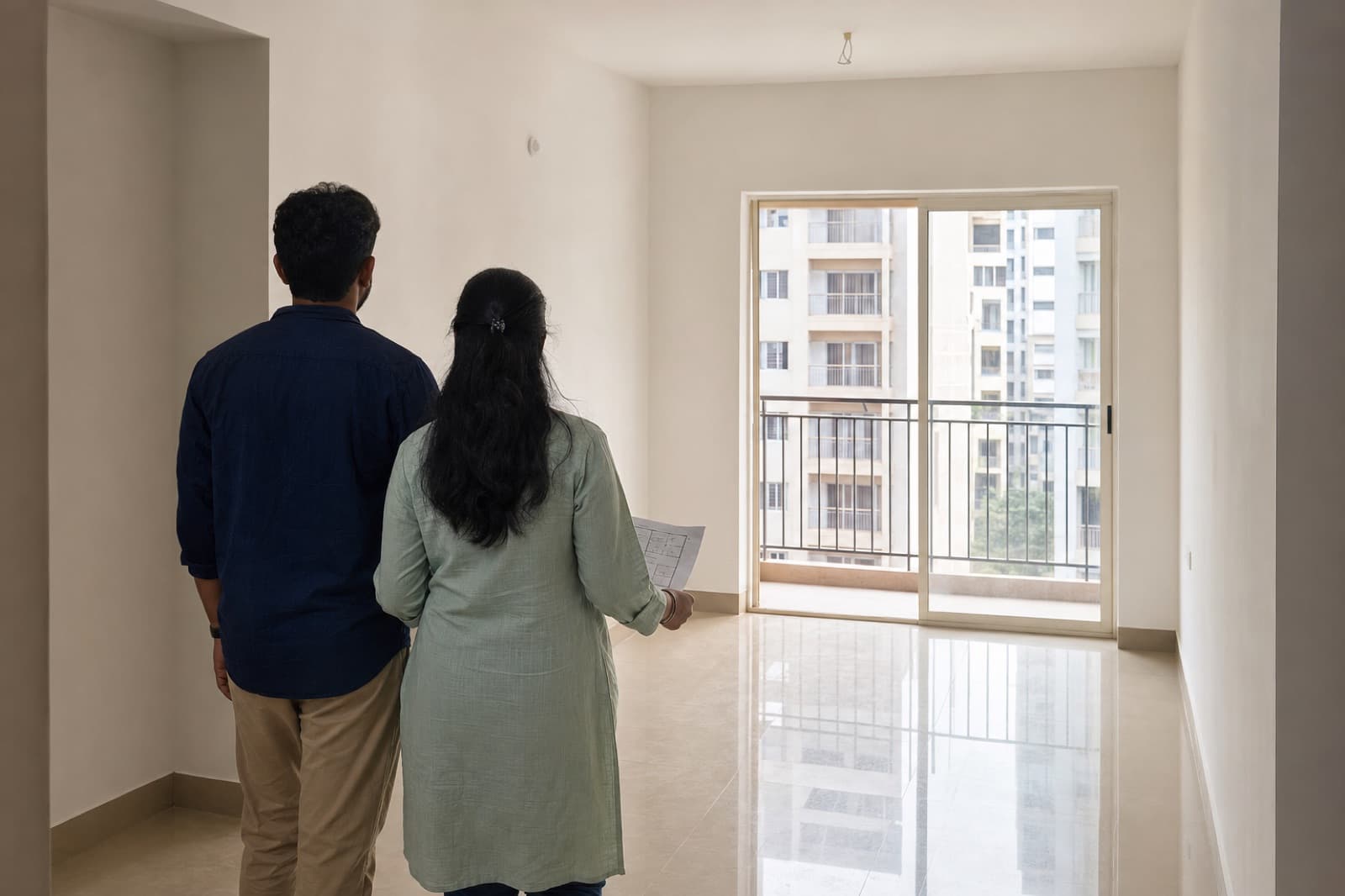
If the unit has a 5 of 5 finding and you have not signed, you can still choose a different unit; the site visit checklist helps you compare. After possession, the same remedies apply, and a WC move becomes a renovation decision.
What is tradition and what is fact
Tradition
- Zone ratings and severities: Vastu16's rule table, 16-zone and 8-direction schools.
- Door shift along the same wall, WC move, kitchen swap as plan-stage remedies: Vastu16's remedy library.
- Latrines on the Nirrti (south-west) square: Mayamata ch. 26, which disagrees with both schools' south-west toilet reading.
Physical and legal fact
- The project must follow the approved plans: RERA Act 2016, s. 14(1).
- No change to your unit's sanctioned plan without your consent; minor changes exclude cutting walls and changing fixtures: s. 14(2)(i) and Explanation.
- Two-thirds of allottees for other plan changes: s. 14(2)(ii).
- Every bathroom or WC needs an outside wall and a 0.3 sq m window or ventilator, and a WC must not open into a kitchen: NBC 2016, Part 3, cl. 12.4.
Where Vastu16 fits
Before you write to the builder, read your unit's zones under both schools and see which findings are rated 4 or 5. Then try the change on the plan: move the tagged room and see whether the reading changes. The tool does not tell you whether a change is allowed, approved or buildable. The builder and the approved plans decide that.
Questions people ask
Can I make Vastu changes in an under-construction flat?
You can ask, and some builders agree, but the RERA Act 2016 gives no right to demand one. The Act lets a builder make minor changes a buyer requests, and it defines minor to exclude cutting into walls or partitions and changing fixtures. Moving a WC or a door is outside that, so it depends on the builder and the approvals.
Does the builder need consent from other buyers to change the plan?
For your own unit's sanctioned plan, the Act requires your previous consent (s. 14(2)(i)). For other alterations to the building's sanctioned plans or the common areas, it requires the written consent of at least two-thirds of allottees, counting each buyer once (s. 14(2)(ii)). Changes to shared walls or shafts may fall in that second group.
Which Vastu change is easiest before possession?
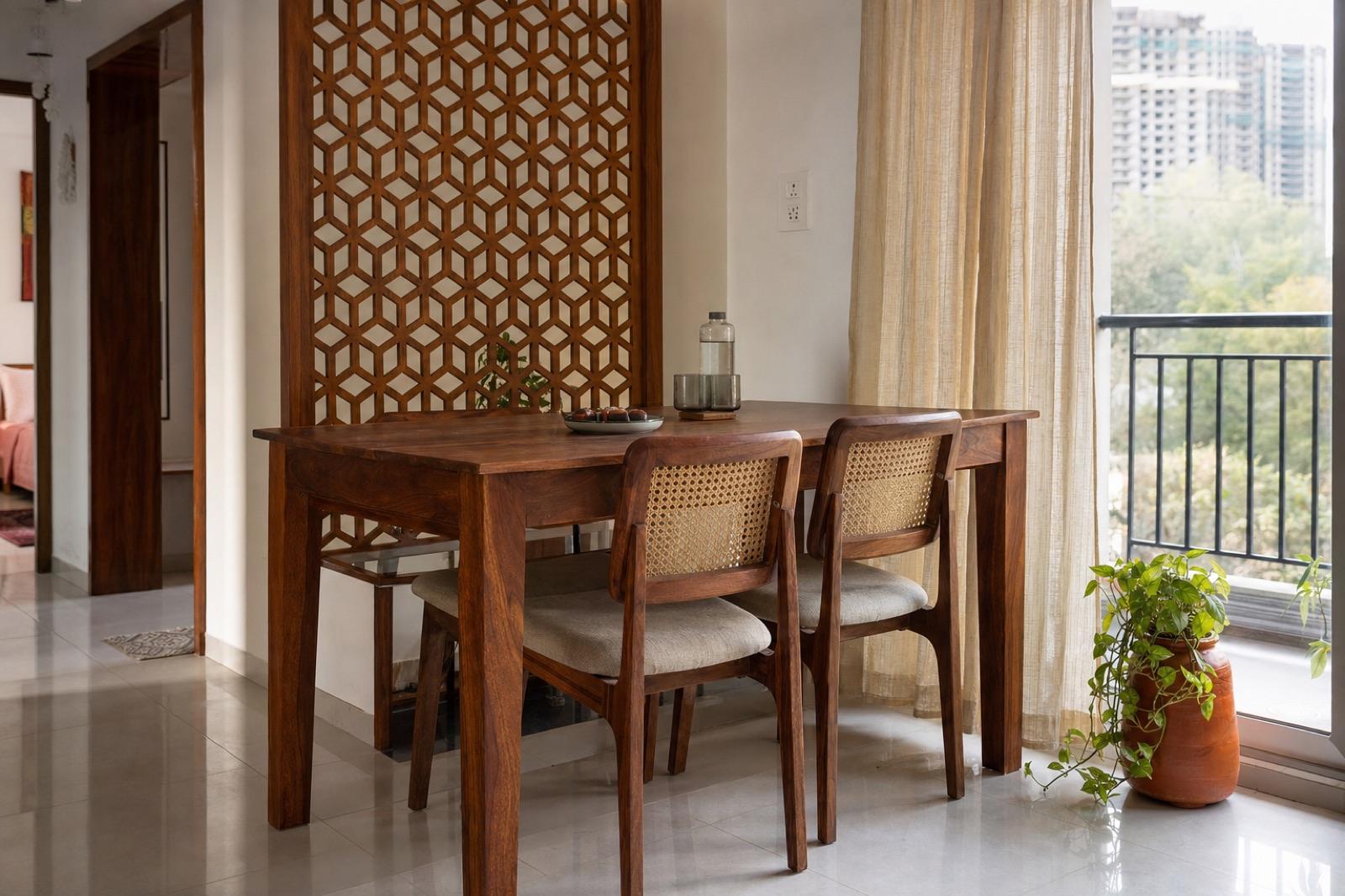
Using a room for a different purpose costs nothing and needs no approval, for example a bedroom in a weak zone used as a study. Moving the hob along the kitchen counter is the next easiest. A main door shift along the same wall or a WC move are the changes that change a reading most, and they are also the hardest to get.
Related posts
Vastu remedies without demolition: what you can change
Most Vastu fixes need no broken walls and no purchases. A ranked list of free, low-cost and renovation-stage changes, room by room.
12 Vastu questions to ask the builder before booking
Twelve questions to ask the builder about Vastu: the plan, the North reference and the unit facts you need for a check, plus what good answers look like.
Vastu checklist before buying a flat: 20 site checks
A 20-point Vastu checklist for the site visit: North, entrance, kitchen, toilets, balcony, light and the documents to ask the builder for.
Sources
- The Real Estate (Regulation and Development) Act, 2016 (No. 16 of 2016), Gazette of India Extraordinary text
- NBC 2016, Volume 1, Part 3 Development Control Rules and General Building Requirements
- MahaRERA portal home page
- Vastu16 methodology and rule table (internal)
- Mayamata (Dagens critical edition and English translation), Vol. II